In the spring, I teach two very difficult books, Night and To Kill A Mockingbird. The texts are difficult. The topics are difficult. The discussions are difficult. As the teacher, I am required to be fully present and ON in order to ensure our container remains a brave enough space to do the work of “resiliently listening” to one another.
“Resilient Listening” is a term I learned from my friend, Adam Gidwitz, who shared in a recent blog post about a trip he took to Jerusalem last spring. There, he spent time at a Hand in Hand school where Arab and Jewish children learn together in an integrated environment. I, too, teach in schools that intentionally bring together children with diverse experiences and perspectives. That is part of what I love about where I teach: conducting an orchestra of resounding voices that do not always sound harmonious.
It is hard, this work of guiding young people into civil discourse about difficult subjects.
Teaching Civil Discourse
Teaching civil discourse is important to me because much of the discourse in our country (our world!) at the moment is not civil. And I don’t mean just impolite or loud, but truly people talking past one another and our shared humanity. It is also ineffective, causing progress to stall everywhere from Congress to the local school board to the kitchen table. I want my students to be effective communicators so that they can tell their stories and perspectives while incorporating into their world view the ideas they hear from others. Along with speaking our truth and listening carefully, it is important to bring a willingness to consider that we might be wrong or narrow-sighted and that our views might need to shift.
Engaging in civil discourse requires a thoughtful process. Preparation of our container begins the first day of school as we settle into our roles and expectations. We start each unit by grounding ourselves in the specific topic and text so that we have sufficient background knowledge and are consistently drawing on evidence. We set norms (these are some to choose from) and make agreements that we review before every discussion. Initial conversations start out with one partner, then a small group, until finally the unit culminates with a student led Socratic Seminar. I really love the Socratic Seminar because it signals to students that their skills have grown to the point where they can be trusted to facilitate their own conversation. They have to work together to set the rules and keep the flow of talk going. Some have to talk less than they like. Some have to talk more. Everyone feels accountable for what is happening in the room.
I dare not do this work alone. When leaning into a teaching practice that is difficult, I find multiple sources of input and support to build my own toolbox and to make sure that what I share with students translates to the real world. Here are three steps I took as a teacher knowing I needed to facilitate difficult conversations.
Adults Need Help Talking Too
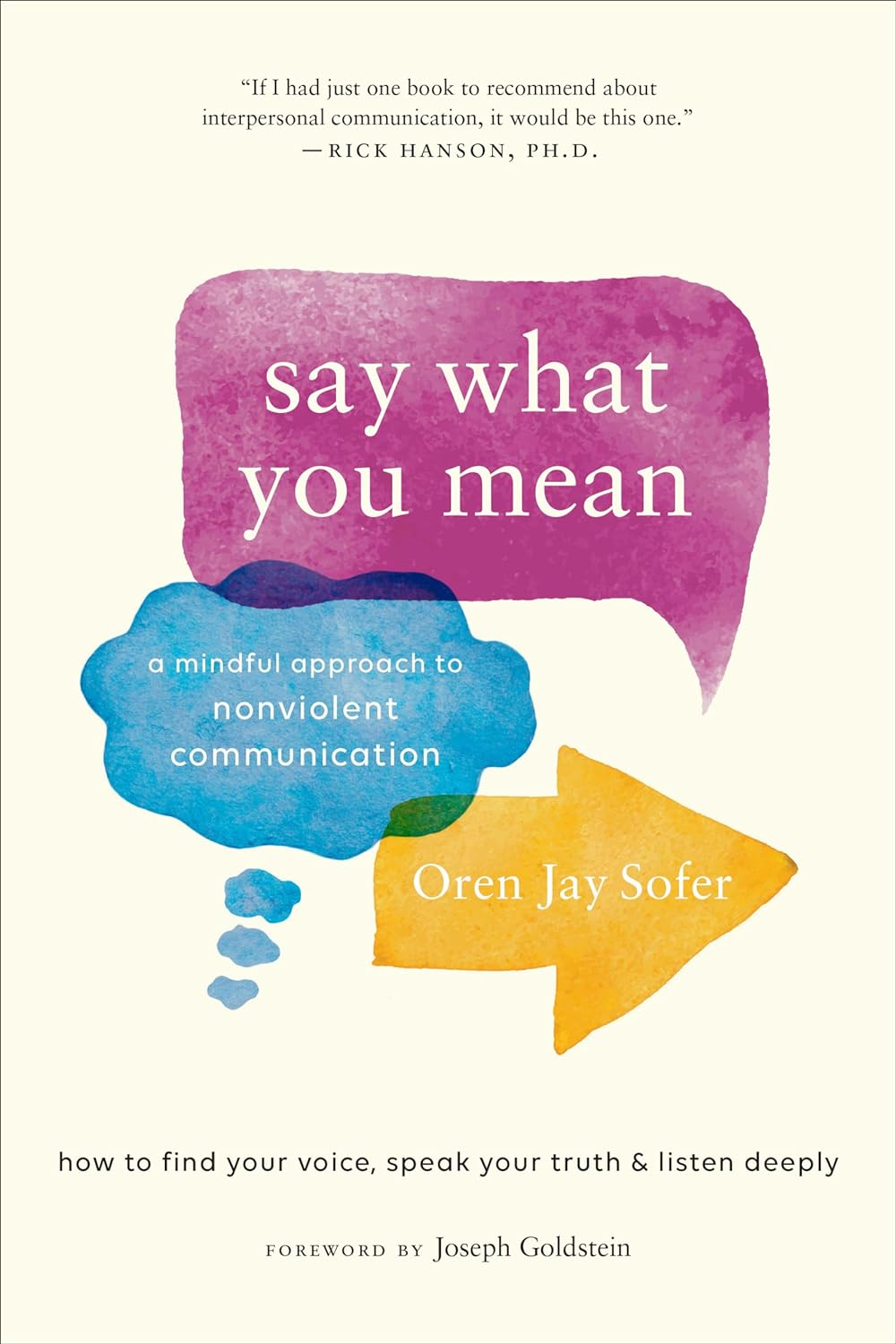
One of my meditation teachers is Oren Jay Sofer. When not on retreat he offers courses in Nonviolent Communication based on his book Say What You Mean. There is a weekly meeting online with readings and exercises and people join in from all over the world. The third part of the course starts April 4th.
The DC Peace Team is another source for nonviolent communication courses. I have taken an online and an in person workshop. They are able to organize sessions for organizations and community groups as well. They also have a Family Engagement in Peace Education workbook that is free to download.
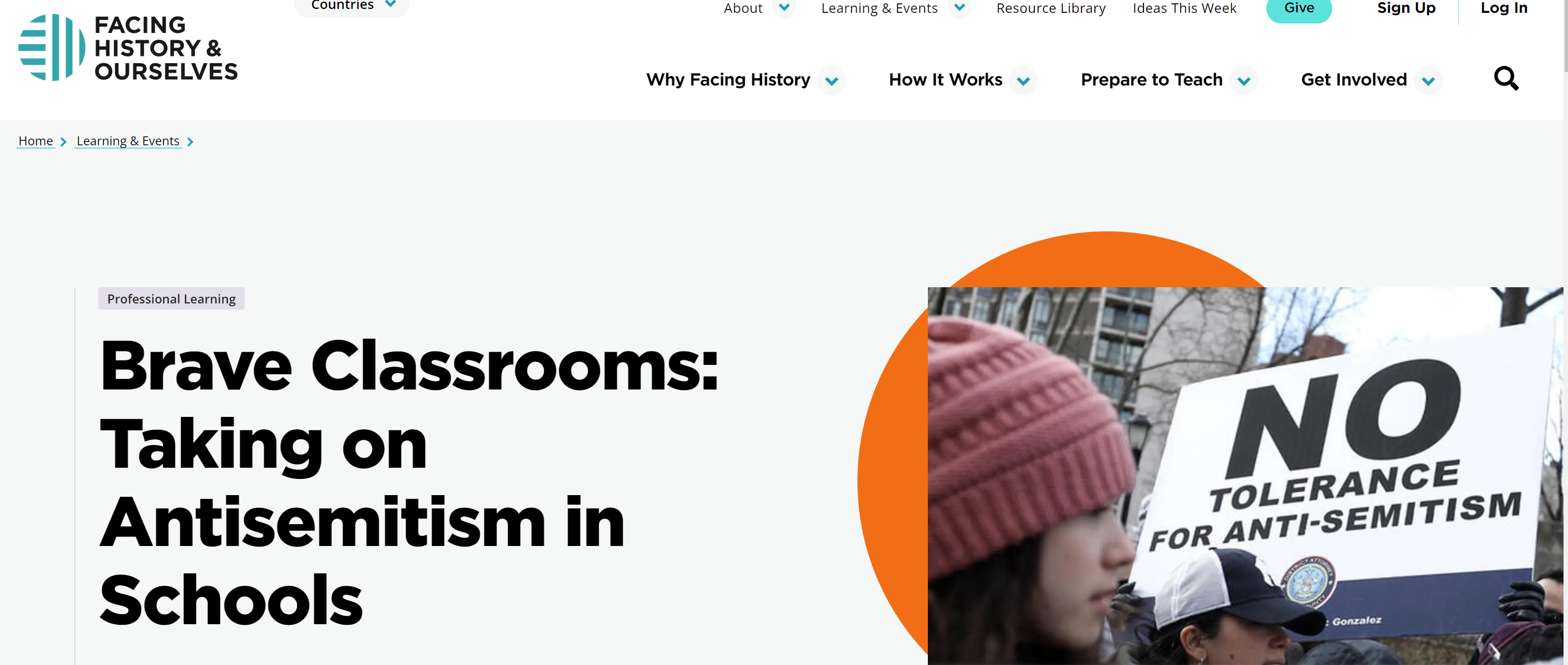
I also took this virtual course from Facing History called Brave Classrooms: Taking on Antisemitism in Schools. The course gathered educators from many parts of the country and gave us valuable background on the history of antisemitism and a range of tools to share with our schools and students. They have a number of on-demand and live resources for cultivating classroom communities that are capable and willing to have honest conversations and do the work of building just communities.
Please feel free to share the resources that help you do the hard work. I am always learning!
News and Reviews
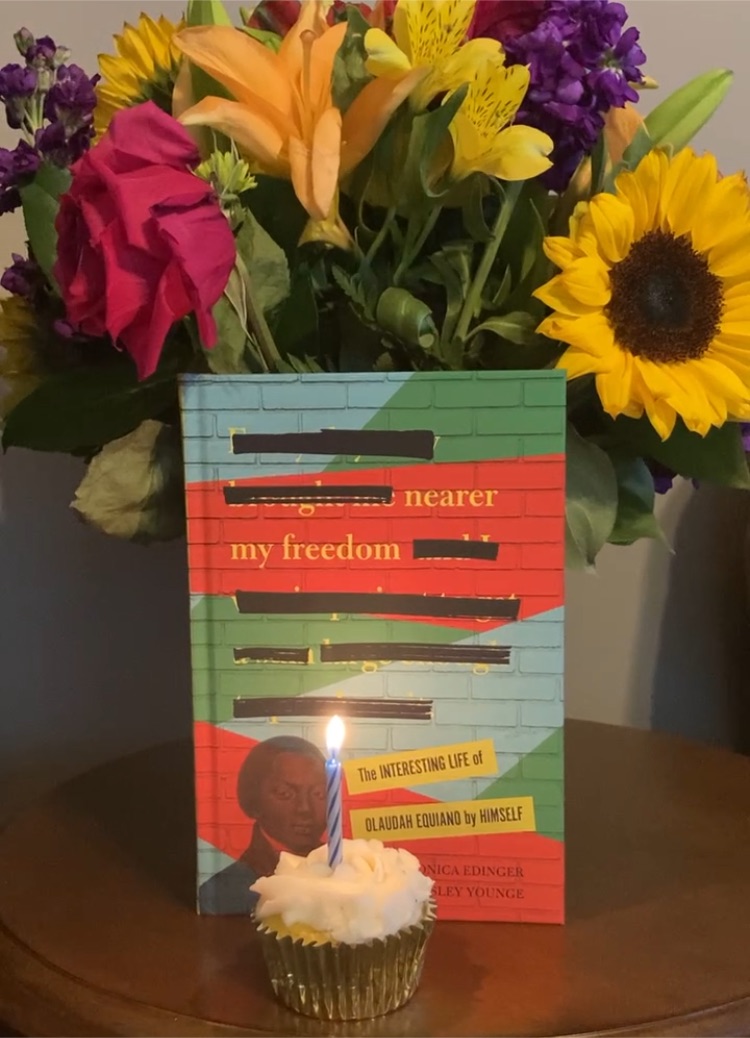
It is March 2024 which means my book babies have been out in the world for a full year. Happy Birthday to us! It has been a wonderful and wild year full of more success than I had a right to hope for. I am proud of myself and so grateful to the many people who made this dream possible including my agent Stephen Barbara, my editors Sarah Rockett and Shaina Olmanson, and the marketing teams at both Lerner and Sleeping Bear. I am eternally grateful to Monica, without whom I never would have even tried to be an author or even write at all. Special appreciation also goes to my family – the ones I live with who have been lending me out to the world while I promote the books – and the ones who are further away hustling on my behalf in all the corners. Especially my mom. I am glad we could share this experience. I am happy to announce there WILL be at least two more books. More on that soon!
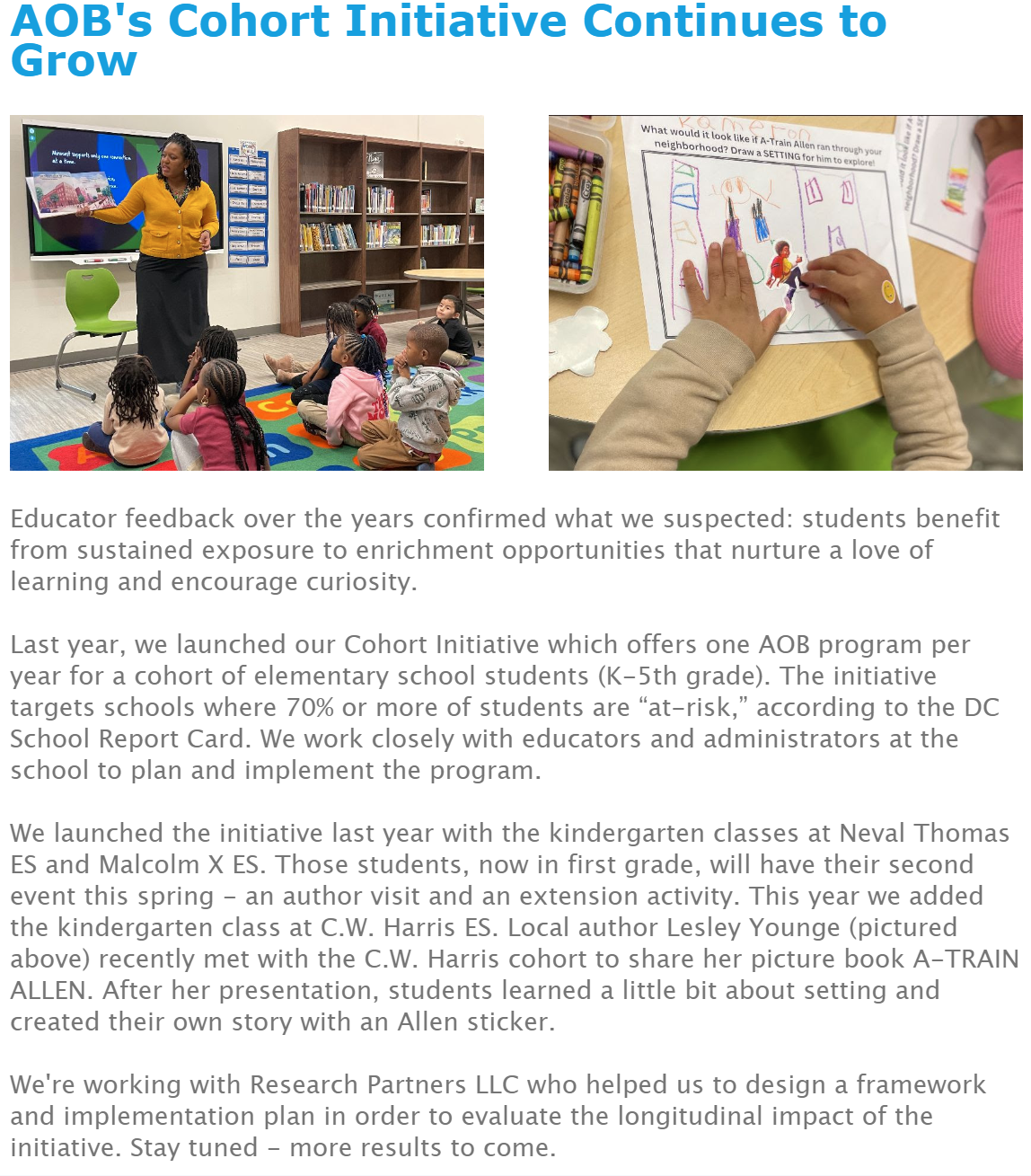
I am thrilled to be partnering with An Open Book Foundation as part of their Cohort Initiative. I get to meet wonderful students, teachers, and school leaders committed to literacy and contribute to their ongoing research.
I will have two public events this spring: the Lewis Museum Children’s Book Fair on April 27th and at People’s Book in Takoma Park on May 5th. Hope to see you there!

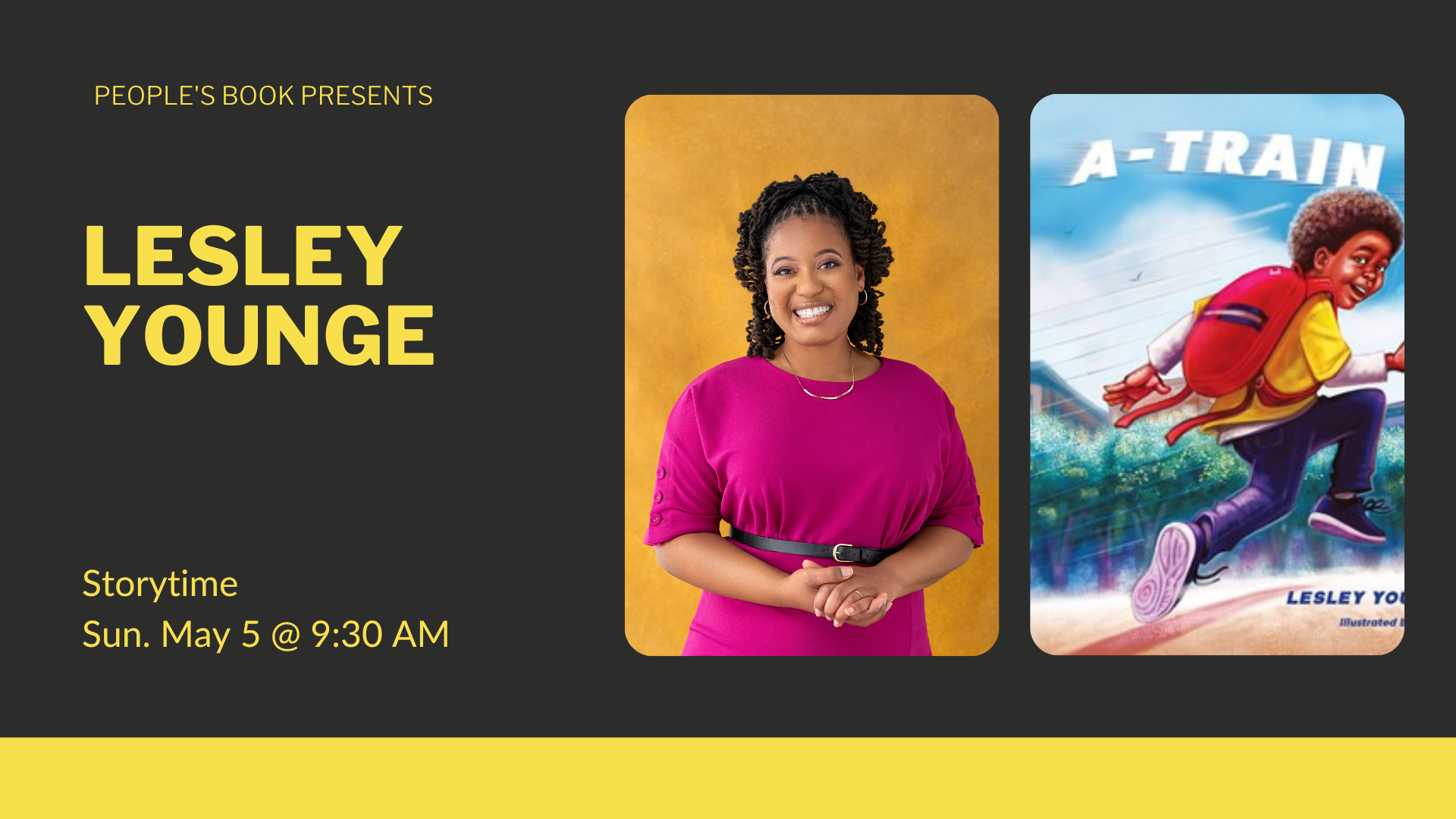
 Teacher Lesley
I thank you for the very informative blog. Your passion for teaching is effervescent. Thank you for being you and sharing yourself, authentically, with the world! Wishing you an abundance of joy, love, happiness and success!