It’s April and Poetry Month, a beautiful time of year in both DC and the literary world. How are you celebrating the arrival of spring and all the ways we can capture our experiences in lyric and verse?
In addition to writing and publishing for children, I also write and publish poetry. Below are the poems you can find floating around the internet. Two more will be published this year in Spoken Black Girl magazine and in West Trade Review‘s forthcoming environmental themed anthology, Ecobloomspaces.
“Blackberries” (West Trade Review online)
“Free Dollar Remix” (Full Bleed Journal)
“Where She Was Nourished” (The Plentitudes)

I learned that publishing poetry was a thing I could do from two colleagues, Thu Nguyen (also a talented poet) and Becky Farnum, who organized our 6th grade language arts curriculum around writing for authentic audiences. We regularly had students write and submit their work into youth focused contests. As I watched my students bravely craft, revise, and send in their work, I was inspired. Sometimes they won and it was really exciting. Even when they didn’t, I saw how the process changed the way they looked at writing. It wasn’t about the grade or rubric anymore; it was about writing well and honoring their unique voice. I began to think that if they could do those things, maybe I could too.
I hope this has you wondering how you might become a published poet. In celebration of Poetry Month, I’d like to demystify that process a bit so here are a few concrete action steps to take. I cannot guarantee you will get published, but you will be closer to the possibility.
CHOOSE THE WORK
I’ll assume you have secret notebooks full of poems or that you’ve taken classes where your work could be critiqued. If not, start there. The first step is to have writing you’re proud of and want to share with people. Each summer I select 5-10 poems that represent my best work. Then I try to identify publications where they might find a home.
RESEARCH PUBLICATIONS
Set up an account on Submittable. Spend a lot of time scrolling through the DISCOVER tab. Most poetry publications use this platform to solicit and accept submissions. There are well-known major magazines, smaller presses, academic institution run journals, and grassroots online spaces. They may have fees attached, deadlines, and style guides. Read the fine print. Duotrope is another such site and the Poetry Bulletin has a wonderful database, especially for submitting chapbooks and manuscripts. I love Writer’s Digest and Poets & Writers Magazine. Each issue is packed with suggestions and opportunities.
The trick is match the poem to the publication and its editors. The real trick is trust that each poem is good enough to be published, whether it matches that season’s vision or not. At the end of the day, publication is about some stranger connecting to your poem on the particular day they happen to pick it up and deciding it fits into the larger collection they are curating. While it is smart to read the work the publication previously chose, it is hard to say what they will be looking for at the time you submit. There is a lot of goodwill and godspeed involved.
SET AN INTENTION
What is your goal? Is there a particular publication you want to see your work in? Do you need to get paid? How does publishing a poem fit into your larger identity as a writer?
My intention is to be brave and have fun. It is wonderful to see my work online and to be able to share it with my friends and family. I love seeing my work in print too (although it is harder to share); it feels like a formal acceptance of my work’s worth. It’s obviously awesome to get paid, but I don’t have that as a requirement. Teaching allows me to be to be my poetry’s sugar mama and to fund my own literary freedom so I can write what I want rather than what I think I can sell. But it’s good to be clear on what you need for your own career and peace of mind.
The likelihood of rejection is high. In 2023 I sent my work into 15 publications. I received 9 rejections, 3 acceptances, and have 3 decisions still pending. There are two other publications I will send work into this spring, and then I will start all over again with a new set. It is important to know yourself and how you might handle a slew of emails that say, “sorry, but no”. What role might disappointment play in your life? Can that be part of the intention? Personally, I find rejections useful opportunities to practice failing forward and focusing on process over outcome.
SEND IT IN
You can’t win if you don’t play. When I was more unsure of my poetry, I looked for publications that would provide feedback from the editors. It cost a little more, but my rejected submissions came back with a letter detailing what they liked and where they might have been underwhelmed or confused. It was worth it to understand what editors saw when they looked at my work. That helped me build confidence and tweak my revision process. It also gave me clarity on my voice. I sometimes disagreed with their notes and that’s okay! This is such a subjective, opinion-based industry.
Submitting to multiple publications is definitely a way to increase the odds. Most accept what they call “simultaneous submissions” but you have to track carefully and let them know when a poem is no longer available because it’s been picked up by someone else. Most importantly, give yourself flowers for honoring your art. Whether a poem gets selected or not, you gave it wings.
ARE YOU A TEACHER OF YOUNG POETS?
Here are some wonderful competitions for young people:
Local to the DMV? Try Parkmont School’s annual Festival. Students get published and have a chance to perform.
Want to connect to global issues or journalism? Try the Pulitzer Center’s Fighting Words Contest. They have lesson materials and you can also request a journalist zoom with your class.
Rattle is a wonderful magazine and each year they curate a youth anthology. It’s a hard one to get into but a very professional opportunity.
Focused more on analysis? Try the Dear Poet Project. Students write to one of the American Academy of Poets Chancellors or Fellows and they might write back!
News and Reviews
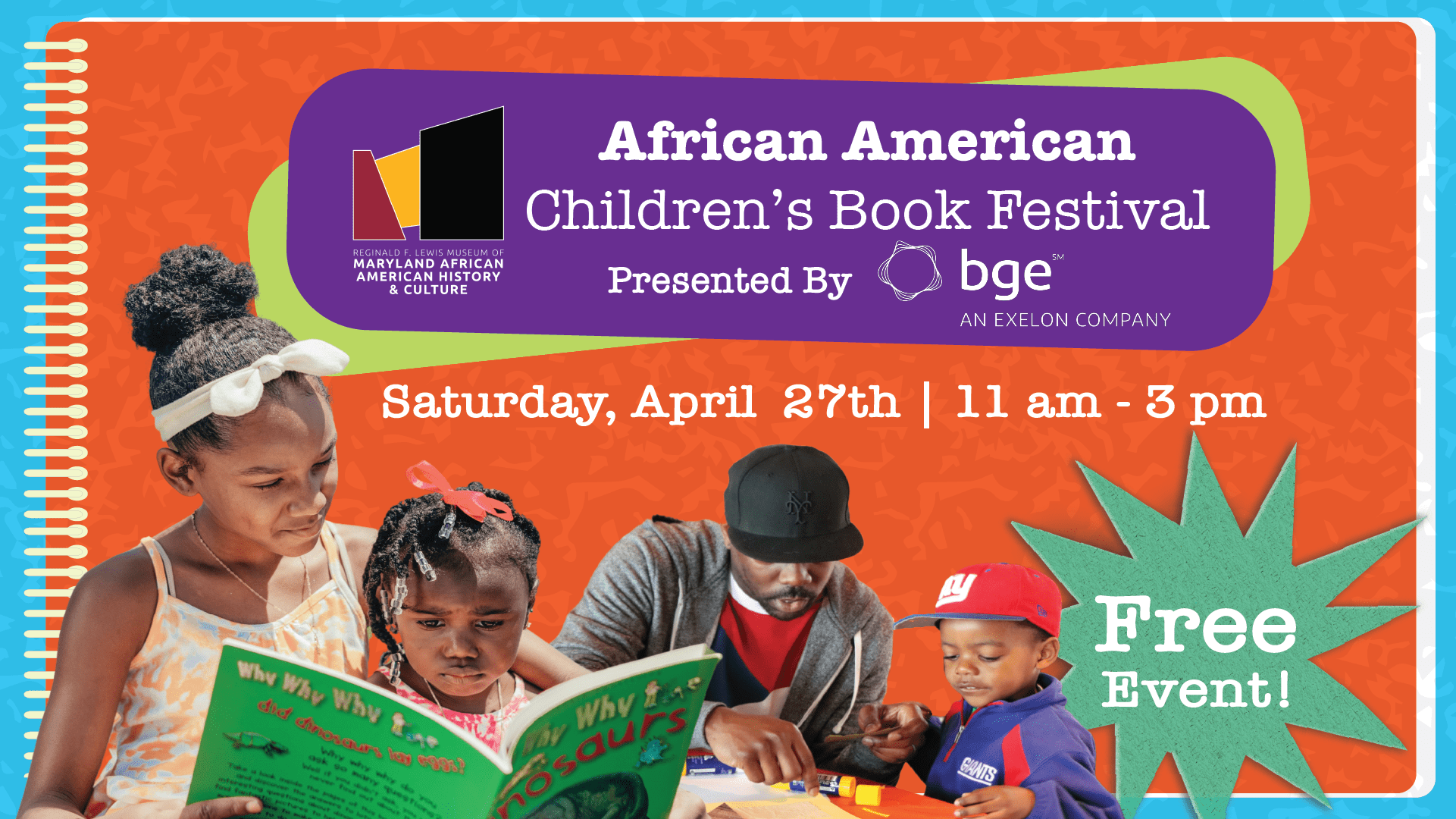
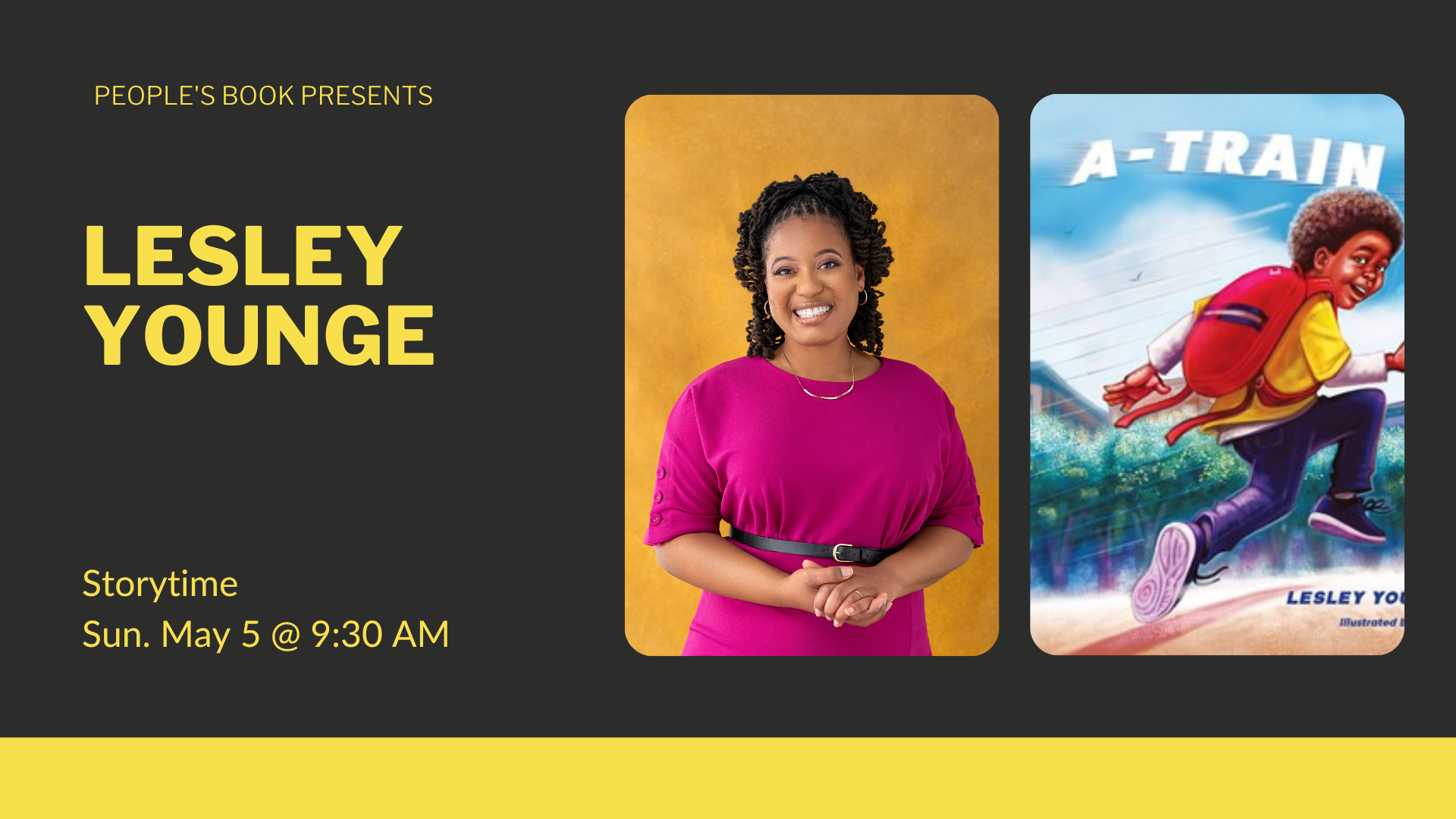
I will have two public events this spring: the Lewis Museum Children’s Book Fair on April 27th and at People’s Book in Takoma Park on May 5th. Hope to see you there!
 Teacher Lesley
How did I not know this wonderful addition to your bio! I’ve saved these poems to use in worship service, cuz you know we UUs find the sacred where we find it.
I would be so honored!!